
Understanding Cold Formed Steel in Construction
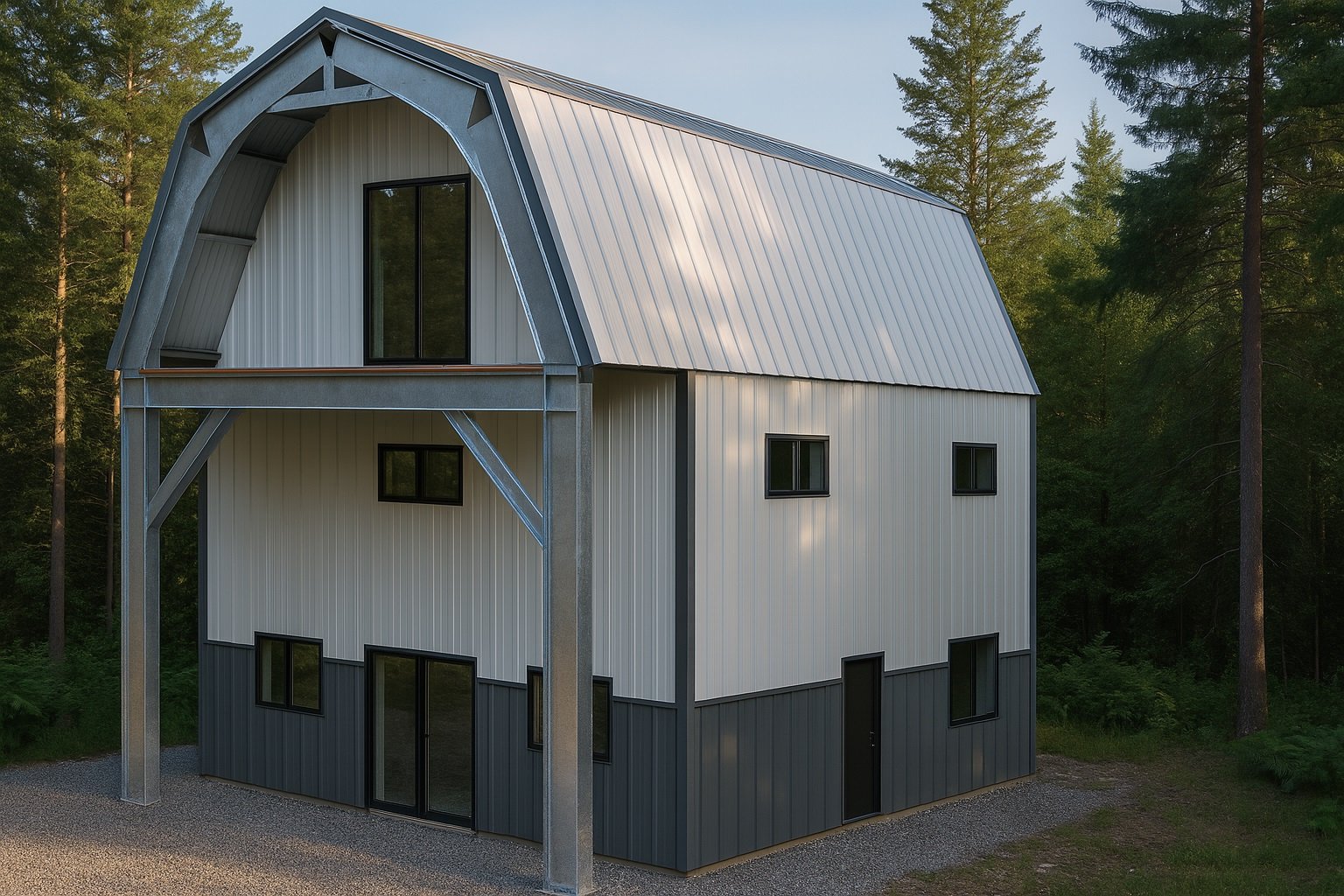
Understanding what is cold formed steel involves recognizing that it is steel shaped at or near room temperature through processes like rolling, bending, or pressing. This technique creates thin, strong components with precise dimensions and consistent cross sections, which sets cold formed steel apart from hot-rolled steel that is shaped at elevated temperatures. Typically, cold formed steel begins as sheet, strip, or coil before being formed into framing members such as studs, tracks, and channels.
The cold forming process increases the steel’s yield strength through strain hardening, resulting in a high strength-to-weight ratio and enhanced rigidity compared to traditional materials. Its ability to be shaped into complex forms with tight tolerances makes it versatile for various construction applications, including walls, floors, and roof systems. These characteristics contribute to its common use in projects that require durable yet lightweight framing solutions.
Common Manufacturing Processes Used for Cold Formed Steel
Cold formed steel is shaped and fabricated using manufacturing processes that keep the metal at or near room temperature, distinguishing it from hot-rolled steel, which is shaped after heating. Common methods include roll forming, press braking, stamping, and punching. Roll forming passes steel strips through rollers to create consistent profiles like studs and tracks, while press braking bends sheets into angles or channels for framing elements. Stamping and punching add holes or cutouts needed for fasteners and connections in steel framing systems.
These cold forming processes do not significantly alter the steel’s inherent strength but can increase material strength through strain hardening caused by deformation. The controlled nature of these methods allows for the production of standardized framing members with consistent dimensions, suitable for various structural applications in building projects. This approach supports efficient and precise fabrication of components used in construction.
Typical Applications of Cold Formed Steel in Residential and Commercial Buildings
Cold formed steel is commonly used in residential and commercial construction for its strength, light weight, and ease of fabrication. It frequently serves as framing components and integrates well with insulated panel systems in various building types.
| Application Type | Common Uses |
|---|---|
| Residential | Wall studs, roof trusses |
| Accessory Dwelling Units | Framing panels, insulated walls |
| Commercial Buildings | Office partitions, exterior walls |
| Hybrid Panel Systems | Structural cores, insulation |
| Light Industrial | Warehouse framing |
This table summarizes typical uses of cold formed steel across building sectors, highlighting its modularity and compatibility with modern panelized construction methods.
Advantages of Using Cold Formed Steel Compared to Traditional Framing Materials
Cold formed steel offers several advantages over traditional framing materials like wood and conventional structural steel. Its precise manufacturing process ensures consistent shape and dimensions, which helps reduce material waste and allows for tighter construction tolerances. This steel is naturally resistant to warping, twisting, and splitting, common issues with wood framing, and its non-combustible nature enhances fire resistance in building structures compared to organic materials.
Cold formed steel is compatible with modern construction methods, including hybrid insulated panel systems that combine traditional framing with panelized assemblies. It can be integrated into these systems to provide strength without significantly increasing weight. While installation uses standard construction tools, familiarity with handling mild steel is beneficial. Additionally, cold formed steel resists pests such as termites and does not degrade from moisture exposure when properly treated, contributing to long-term dimensional stability and durability in both residential and commercial projects.
Structural Properties That Influence Cold Formed Steel Performance
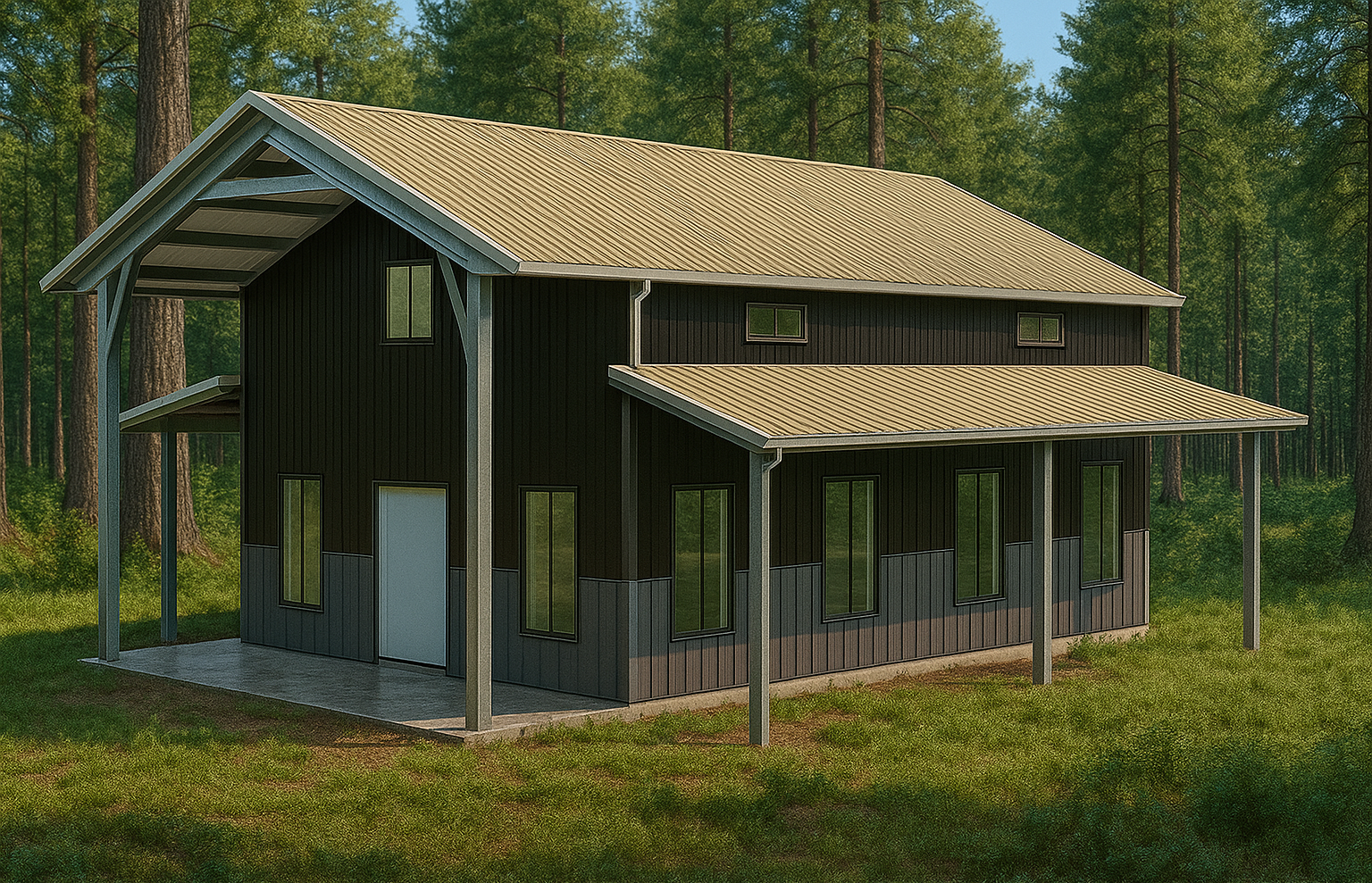
Cold formed steel is shaped at room temperature, which increases its yield strength compared to steel formed by other methods. The structural performance of cold formed steel depends on factors such as strength, stiffness, and stability. Different profile shapes, including C-sections, Z-sections, and hat channels, influence how the material handles loads and resists bending. These shapes help optimize the balance between weight and strength, making cold formed steel suitable for various framing applications.
Because cold formed steel members are typically thin-walled, their resistance to local buckling is an important consideration in design. Proper bracing and connection details are necessary to prevent issues like twisting or warping under stress. The thickness of the steel affects its rigidity and durability, but also impacts handling during installation due to added weight. These structural properties collectively determine how cold formed steel performs in construction projects.
Installation Considerations for Cold Formed Steel Components
Installation of cold formed steel components involves conventional framing techniques adapted to the specific characteristics of steel. Fastening typically uses self-drilling or self-tapping screws designed for thin-gauge steel, which differ from the nails commonly used in wood framing. Cutting and shaping require metal shears or power tools suited for steel to ensure clean edges and reduce distortion during handling.
Because steel does not compress like wood, precise measurement and alignment are essential to maintain structural integrity and achieve a proper fit. Addressing thermal bridging and condensation potential is also important, often involving the integration of thermal breaks or vapor control materials during installation to support energy-efficient building performance.
Durability and Maintenance Factors for Cold Formed Steel Structures
Cold formed steel offers durability through resistance to rot, warping, and insect damage common in wood framing. Protecting steel from corrosion with proper coatings and design is essential for long-term performance.
| Durability Feature | Maintenance Consideration |
|---|---|
| Corrosion resistance | Inspect coatings regularly |
| Resists rot and insects | No pest treatments needed |
| Lightweight | Easier handling |
| Smooth surfaces | Periodic cleaning |
| Thermal break compatible | Check panel seals |
These features support durable construction while routine care like cleaning and sealing helps maintain cold formed steel’s integrity in various conditions.
Role of Cold Formed Steel in Energy-Efficient and Hybrid Panel Construction
Cold formed steel contributes to energy-efficient and hybrid panel construction by providing a consistent and precisely shaped structural framework that integrates effectively with insulation and thermal control materials. This integration helps create tightly fitted panels that enhance airtightness when combined with proper sealing and vapor-control layers, supporting building envelopes that reduce unwanted heat transfer and improve overall energy performance without relying on thick or heavy framing members.
In hybrid panel systems, cold formed steel is often combined with materials like rigid foam insulation, wood framing, or fiberboard to balance strength, durability, and thermal efficiency. Its relatively light weight, paired with structural strength, allows for easier handling during assembly while maintaining integrity. The use of cold formed steel supports construction methods aimed at faster enclosure drying times and better energy management, especially in residential and accessory dwelling unit projects, though specific designs vary with climate and project needs.
Tell us what you're planning and get a free design consultation.